
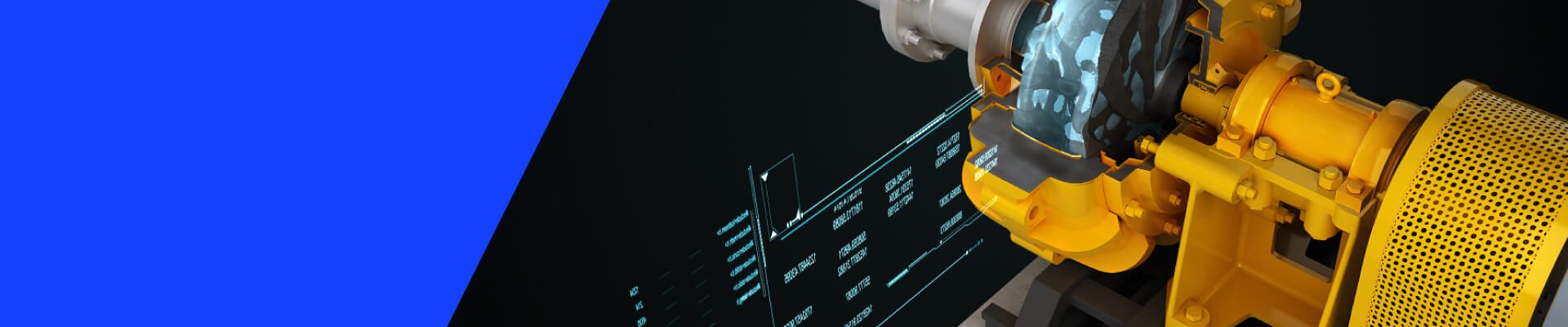
What is a sludge pump, and why is it so important in wastewater and industrial systems? How does it differ from ordinary pumps, and what makes it capable of handling thick, solid-laden fluids without clogging or excessive wear?
A sludge pump is a specialized pump designed to transport fluids containing a high percentage of solids, abrasive particles, or high-viscosity materials. Unlike standard industrial pumps, it is engineered with reinforced structures, optimized flow paths, and durable materials to ensure stable, efficient, and reliable sludge handling across a wide range of operating conditions.
This article explores the fundamental principles, key types, selection criteria, and practical applications of sludge pumps—continue reading to gain a clear and practical understanding of how to choose and use the right sludge pump for your needs.
Table of Contents
- Definition of a Sludge Pump: What Is a Sludge Pump?
- History of Sludge Pumps: Evolution of Sludge Handling Technology
- How a Sludge Pump Works: Principles of Sludge Transportation
- Main Components and Structural Design of a Sludge Pump
- Common Types of Sludge Pumps
- Core Functions and Operating Capabilities of Sludge Pumps
- Industrial and Municipal Applications of Sludge Pumps
- Key Wear Parts and Maintenance Considerations
- Materials and Media Suitable for Sludge Pumping
- Sludge Pumps vs. Other Industrial Pumps: Key Differences
- How to Select the Right Sludge Pump
- Future Trends and Innovations in Sludge Pump Technology
- Conclusion: The Role of Sludge Pumps in Modern Industry
Definition of a Sludge Pump: What Is a Sludge Pump?
A sludge pump is a type of industrial pump specifically designed to transport sludge, which is a mixture of liquid and solid materials commonly generated in wastewater treatment, industrial processes, and mining operations. Unlike standard water pumps, sludge pumps are engineered to handle high solid content, high viscosity, abrasive particles, and sometimes corrosive media.
Sludge typically contains suspended solids such as sand, silt, organic matter, or chemical residues. A sludge pump must maintain stable performance under these challenging conditions without clogging, excessive wear, or loss of efficiency.
Depending on the application, sludge pumps may be designed for continuous operation, high-pressure delivery, or submersible use, ensuring reliable sludge transport across various industrial and municipal systems.
History of Sludge Pumps: Evolution of Sludge Handling Technology
The development of sludge pumps is closely linked to the growth of urban sanitation, industrialization, and environmental protection. Early sludge handling relied on simple mechanical devices and modified water pumps, which were often inefficient and prone to blockage when dealing with solid-laden fluids.
As wastewater treatment plants and heavy industries expanded, the demand for specialized sludge-handling equipment increased. This led to the introduction of reinforced pump casings, improved impeller designs, and wear-resistant materials capable of withstanding abrasive sludge.
In recent decades, advances in materials science, hydraulic design, and automation have significantly improved sludge pump performance. Modern sludge pumps now offer higher efficiency, longer service life, and better adaptability to varying sludge compositions.
How a Sludge Pump Works: Principles of Sludge Transportation
A sludge pump works by converting mechanical energy into hydraulic energy to transport sludge through pipelines or processing systems. Due to the high solid content and variable composition of sludge, the pump must maintain sufficient flow velocity to keep solids in suspension and prevent settling.
Different sludge pump designs apply different operating principles, but all aim to ensure stable and continuous movement of sludge without blockage or excessive wear under demanding conditions.
- Centrifugal sludge pumps rely on a rotating impeller to generate centrifugal force, accelerating sludge and increasing discharge pressure.
- Positive displacement sludge pumps move sludge by trapping a fixed volume and forcing it forward, making them suitable for high-viscosity sludge.
Proper pump speed, flow path design, and material selection are critical to maintaining efficient sludge transportation and extending equipment service life.
Main Components and Structural Design of a Sludge Pump
A sludge pump is built with durable structural components to withstand abrasive, corrosive, and high-load operating conditions. Each component plays an important role in ensuring reliable performance and long-term operation.
- The pump casing is designed with reinforced walls and smooth flow channels to reduce wear and prevent solid accumulation.
- The impeller or rotor is engineered to handle solid-laden media while maintaining stable hydraulic performance.
- Shaft seals and bearings help prevent leakage and support continuous operation.
Modern sludge pumps often use wear-resistant materials to extend service life and reduce maintenance frequency.
Common Types of Sludge Pumps
Different sludge pump types are designed to handle specific sludge characteristics and operating requirements, as summarized in the table below.
| Pump Type | Suitable Sludge Characteristics | Typical Applications |
|---|---|---|
| Centrifugal Sludge Pump | Medium solids, high flow rate | Municipal wastewater treatment |
| Screw / Progressive Cavity Pump | High viscosity, shear-sensitive sludge | Industrial sludge transfer |
| Submersible Sludge Pump | Variable solids, submerged operation | Sludge pits and tanks |
Selecting the appropriate pump type helps ensure stable operation and reduces maintenance issues caused by improper sludge handling.
Sludge pumps are available in various types to suit different sludge characteristics and operating environments. Selecting the appropriate pump type is essential for achieving efficient and reliable sludge handling.
- Centrifugal sludge pumps are commonly used for medium to high flow rates and moderate solid concentrations.
- Screw and progressive cavity pumps are suitable for high-viscosity or shear-sensitive sludge.
- Submersible sludge pumps are designed for direct installation in sludge tanks or pits.
Each sludge pump type offers specific advantages depending on flow requirements, sludge properties, and installation conditions.
Core Functions and Operating Capabilities of Sludge Pumps
Sludge pumps are designed to perform reliably under demanding conditions where conventional pumps may fail. Their core function is to ensure stable and continuous transport of sludge containing solids, fibrous materials, or abrasive particles.
Typical operating capabilities include handling high solid concentrations, maintaining flow consistency under variable loads, and operating at low or medium speeds to reduce wear. These capabilities allow sludge pumps to adapt to a wide range of industrial and municipal processes.
Depending on the design, sludge pumps can support continuous operation, intermittent duty, or submerged operation, ensuring flexibility across different system layouts.
Industrial and Municipal Applications of Sludge Pumps
Sludge pumps are widely used in both industrial and municipal sectors where sludge generation and handling are essential parts of the process. Their ability to move complex media makes them critical components in fluid handling systems.
- In municipal wastewater treatment plants, sludge pumps are used for primary sludge, secondary sludge, and dewatered sludge transfer.
- In industrial facilities, they support sludge handling in mining, power generation, chemical processing, and pulp and paper production.
Their adaptability to different installation environments makes sludge pumps suitable for both centralized treatment facilities and decentralized industrial systems.
Key Wear Parts and Maintenance Considerations
At HONGYUAN, special attention is given to impeller durability through material innovation. Our sludge pump impellers are manufactured using silicon carbide ceramic, a material known for its exceptional hardness and wear resistance. In a comparative wear test conducted over a 90-day operating period, a conventional wear-resistant steel impeller reached the end of its service life due to severe abrasion, while the HONGYUAN silicon carbide ceramic impeller showed only minor surface wear and remained fully functional. This result demonstrates the significant advantage of advanced ceramic materials in extending service life and reducing maintenance requirements in abrasive sludge applications.
Due to the abrasive and sometimes corrosive nature of sludge, certain components of a sludge pump are subject to wear over time. Proper maintenance is essential to ensure stable performance and extend service life.
- Wear-prone components typically include impellers or rotors, pump casings, liners, and mechanical seals.
- Regular inspection and timely replacement of these parts help prevent unexpected downtime and performance loss.
Selecting appropriate materials and operating the pump within its designed parameters can significantly reduce wear and maintenance frequency.
Materials and Media Suitable for Sludge Pumping
Material selection plays a critical role in ensuring reliable sludge pump operation, especially when handling abrasive or corrosive media.
| Material Type | Suitable Media | Main Advantage |
|---|---|---|
| High-chrome alloy | Abrasive sludge | Excellent wear resistance |
| Rubber lining | Fine solid particles | Reduced erosion |
| Stainless steel | Corrosive sludge | Corrosion resistance |
Choosing the right material ensures longer service life and reliable performance under challenging sludge pumping conditions.
Sludge pumps are capable of handling a wide range of materials, provided the pump type and construction are properly matched to the media characteristics. Key factors include solid content, particle size, viscosity, and chemical composition.
Common media suitable for sludge pumping include municipal sewage sludge, industrial process sludge, mineral slurries, and sludge containing organic or inorganic solids.
For aggressive or abrasive media, pumps are often manufactured using wear-resistant or corrosion-resistant materials to ensure safe and reliable operation over extended periods.
Sludge Pumps vs. Other Industrial Pumps: Key Differences
To better understand how sludge pumps differ from other industrial pump types, the table below highlights key design and performance differences.
| Parameter | Sludge Pump | Standard Industrial Pump |
|---|---|---|
| Handled Medium | Solid–liquid mixtures | Clean or low-solid liquids |
| Solid Content | Medium to high | Low or none |
| Wear Resistance | Designed for abrasive media | Limited |
| Flow Passage Design | Wide and anti-clogging | Narrow |
| Typical Applications | Sludge, slurry, wastewater | Water, chemicals |
These differences explain why sludge pumps are preferred in applications involving solids, abrasive particles, or unstable media conditions.
Sludge pumps are specifically engineered to handle fluids containing solid particles, which sets them apart from many other industrial pump types. Conventional pumps, such as clean water or process pumps, are typically designed for low-viscosity, particle-free liquids.
Compared to standard centrifugal pumps, sludge pumps feature reinforced casings, wider flow passages, and materials that resist abrasion and clogging. When compared to diaphragm or chemical pumps, sludge pumps offer higher flow capacity and better suitability for continuous sludge transfer.
These design differences make sludge pumps more reliable in harsh operating environments, while other industrial pumps may experience rapid wear or frequent blockage under similar conditions.
How to Select the Right Sludge Pump
When selecting a sludge pump, several technical and operational factors should be evaluated to ensure compatibility with the system and the pumped media.
| Selection Factor | Key Consideration |
|---|---|
| Flow Rate | Required system capacity |
| Discharge Pressure | Pipeline length and elevation |
| Solid Content | Percentage and particle size |
| Sludge Viscosity | Impact on pump type selection |
| Installation Method | Dry-mounted or submersible |
A systematic evaluation of these factors helps improve pumping efficiency and reduces the risk of premature equipment failure.
Selecting the right sludge pump requires a clear understanding of the operating conditions and sludge characteristics. Key selection criteria include flow rate, discharge pressure, solid content, particle size, and sludge viscosity.
- Pump type should match the sludge properties and required operating range.
- Material selection should consider abrasion, corrosion, and temperature.
- Installation conditions, such as dry-mounted or submersible operation, should also be evaluated.
A properly selected sludge pump improves system efficiency, reduces maintenance costs, and ensures long-term operational stability.
Future Trends and Innovations in Sludge Pump Technology
Sludge pump technology continues to evolve in response to increasing environmental regulations and operational efficiency requirements. Manufacturers are focusing on improving hydraulic design, material performance, and energy efficiency.
Emerging trends include the use of advanced wear-resistant materials, intelligent monitoring systems, and designs that reduce energy consumption and maintenance needs.
These innovations aim to enhance reliability while supporting sustainable and cost-effective sludge management solutions.
Conclusion: The Role of Sludge Pumps in Modern Industry
Sludge pumps play a vital role in modern industrial and municipal systems by enabling the safe and efficient transport of sludge under challenging conditions. Their specialized design ensures reliable operation where standard pumps cannot perform effectively.
With ongoing technological advancements and growing demand for efficient sludge handling, sludge pumps will continue to be essential components in wastewater treatment, industrial processing, and environmental protection efforts.