
If you are searching for how much a slurry pump costs, you are likely comparing options for mining, dredging, or industrial slurry handling. Slurry pump prices vary widely depending on design, materials, and operating conditions.
In this guide, we break down slurry pump price ranges, key cost factors, and how to avoid hidden expenses — helping you make a smarter purchasing decision.
Table of contents
What Is a Slurry Pump?
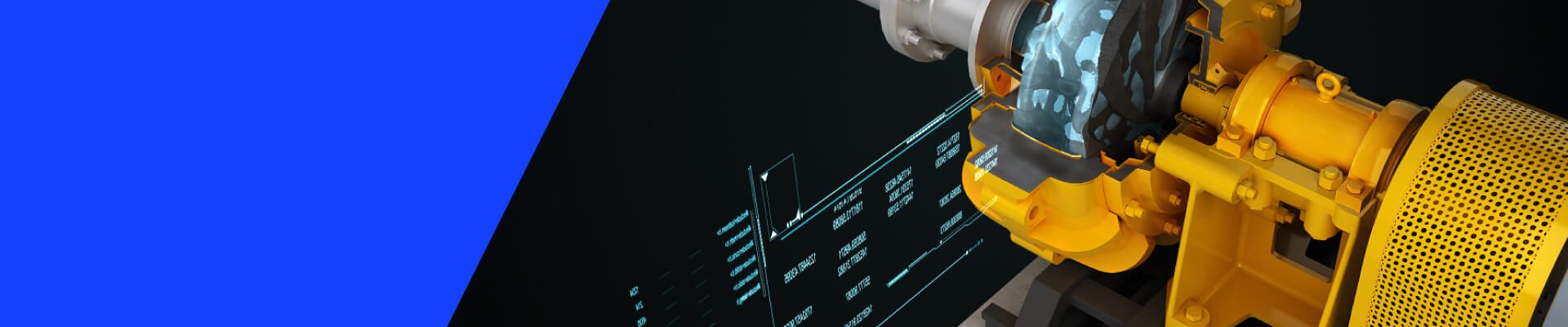
A slurry pump is a heavy-duty industrial pump designed to transport mixtures of liquid and solid particles. Unlike standard water pumps, slurry pumps are engineered to handle abrasive, corrosive, and high-density slurries without clogging or excessive wear.
Slurry pumps are widely used in mining, mineral processing, dredging, power plants, and wastewater treatment, where reliability and durability are critical.
How a Slurry Pump Works
A slurry pump works by using a rotating impeller to generate centrifugal force. This force accelerates the slurry outward, creating continuous flow through the pump casing and discharge pipeline. Wear-resistant materials and reinforced structures allow the pump to operate under extreme conditions.
Why Slurry Pump Design Affects Price
Because slurry pumps must withstand abrasive particles and harsh operating environments, their design directly impacts manufacturing cost. Factors such as material selection, liner type, impeller geometry, and sealing system all influence slurry pump price and service life.
- ✔ High-chrome alloy or rubber-lined components
- ✔ Reinforced shafts and heavy-duty bearings
- ✔ Specialized sealing systems to prevent leakage
Understanding what a slurry pump is — and how it works — helps explain why prices vary significantly between different models and applications.
Learn more about how slurry pumps work
Slurry Pump Price Range
The price of a slurry pump typically ranges from USD 1,000 to over USD 20,000, depending on size, materials, and application. Below is a general reference range.
| Pump Type | Typical Price Range | Application |
|---|---|---|
| Small Slurry Pump | $1,000 – $3,000 | Light industrial slurry |
| Heavy Duty Slurry Pump | $3,000 – $10,000 | Mining & minerals |
| Large Mining Slurry Pump | $10,000 – $20,000+ | High-volume operations |
These prices are indicative only. A precise slurry pump quotation requires technical details.
What Affects Slurry Pump Price?
Several technical factors directly influence slurry pump cost:
- Pump size & flow rate – Larger capacity means higher cost
- Material selection – High chrome alloys cost more than rubber lining
- Slurry abrasiveness – More abrasive slurry requires reinforced components
- Seal type – Mechanical seals increase upfront price but reduce leakage
- Customization – Custom designs add cost but improve performance
Choosing the wrong pump to save initial cost often leads to higher maintenance expenses.
Slurry Pump Price by Type
- Horizontal Slurry Pump – Best cost-performance ratio for most applications
- Vertical Slurry Pump – Slightly higher price due to structural design
- Submersible Slurry Pump – Higher price, lower installation cost
- Rubber-lined Slurry Pump – Lower cost for fine, non-sharp particles
Different pump types serve different operational needs, directly impacting price and lifecycle cost.
Slurry Pump Price vs Total Cost of Ownership
Focusing only on purchase price can be misleading. The real cost of a slurry pump includes energy consumption, spare parts, downtime, and service life.
- ✔ Higher-quality pumps last longer
- ✔ Reduced wear parts replacement
- ✔ Lower risk of unplanned shutdowns
A properly selected slurry pump often delivers a lower cost per operating hour, resulting in better ROI.
Request a Customized Slurry Pump Quote
Frequently Asked Questions
Why is slurry pump price higher than water pump price?
Slurry pumps are designed with wear-resistant materials and reinforced structures to handle abrasive solids, which increases manufacturing cost.
Can I get an exact slurry pump price online?
Exact pricing requires slurry details such as flow rate, head, particle size, and material requirements.
Is a cheaper slurry pump a good choice?
Lower upfront cost often leads to higher maintenance and shorter service life, increasing total cost over time.