
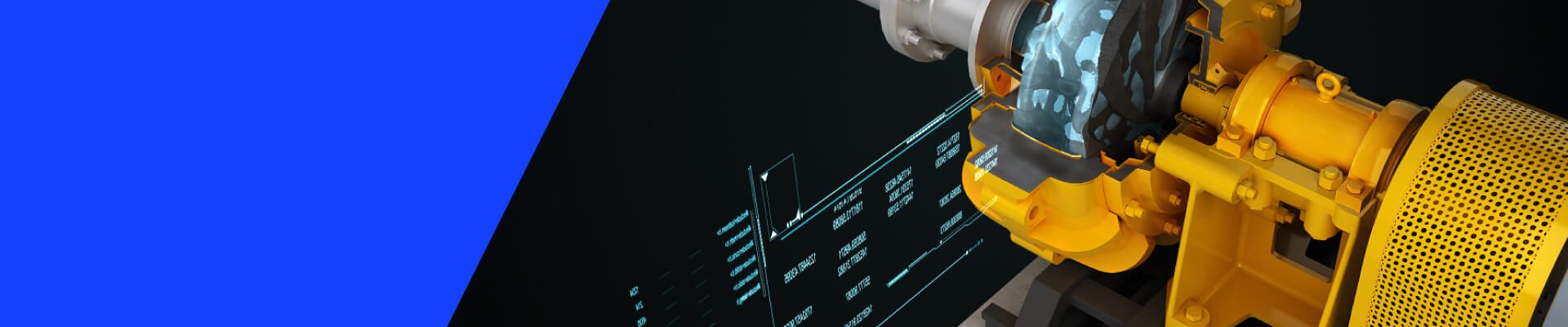
Aluminum electrolysis is one of the most corrosive, high-temperature, and abrasive industrial environments a pump can face. Most metal pumps fail within weeks — not because of poor design, but because the process simply destroys conventional materials.
Silicon carbide (SiC) slurry pumps have become the preferred solution for smelters worldwide, driven by tightening operational cost targets and growing pressure to reduce unplanned downtime. This guide covers what makes SiC pumps effective in electrolysis service, where they are applied, and how to select the right configuration — practical information for:
- Plant engineers evaluating pump replacements
- Procurement teams comparing material options
- Operations managers looking to reduce maintenance frequency
- Project teams specifying equipment for new electrolysis lines
This article focuses on the core properties of SiC slurry pumps, their role across key stages of aluminum electrolysis production, and why material selection at the pump level directly affects line reliability — read on to see how the right pump choice pays for itself.
Why SiC Slurry Pumps Survive Aluminum Electrolysis
Aluminum electrolysis is one of the most demanding pump environments on earth. The electrolyte runs at 950–970°C. It carries aluminum fluoride, alumina, and cryolite in suspension — all of them abrasive, all of them corrosive. Standard metal pumps last weeks. SiC pumps last years.
The reason comes down to five core material properties.
Five Core Advantages of SiC Slurry Pumps
Each advantage solves a specific failure mode common in aluminum electrolysis operations.
1. Corrosion Resistance That Outlasts the Process
The electrolyte in an aluminum cell contains aluminum fluoride (AlF₃) and ammonium fluoride (NH₄F) at high concentration. These compounds attack steel and cast iron within days.
Silicon carbide is chemically inert to fluoride-based media. In one smelter in Xinjiang running 300 kA cells, switching from stainless steel to SiC pumps extended pump life from 3 months to over 18 months — a 6× improvement.
2. Wear Resistance Under Abrasive Slurry
Alumina particles (Al₂O₃) suspended in electrolyte behave like fine sandpaper — at pump speeds of 1,450–2,900 rpm, they erode impellers and casings fast.
SiC has a Mohs hardness of 9.5 — second only to diamond. Its wear rate under alumina-laden slurry is 5–8× lower than high-chrome cast iron.
The table below compares typical impeller wear rates across pump materials in aluminum electrolysis service:
| Pump Material | Mohs Hardness | Avg. Impeller Life (months) | Suitable for AlF₃ Media |
|---|---|---|---|
| Carbon Steel | 4–5 | 1–2 | No |
| Stainless Steel 316L | 5–6 | 2–4 | Limited |
| High-Chrome Cast Iron | 7–8 | 4–8 | Partial |
| Silicon Carbide (SiC) | 9.5 | 18–36 | Yes |
For operations running 24/7, longer impeller life means fewer planned shutdowns and lower spare parts inventory.
3. High-Temperature Oxidation Resistance
Molten electrolyte exits the cell at 950–970°C. Pump inlets handling overflow or cooling circuit fluids routinely see 200–400°C.
At these temperatures, metal pumps oxidize rapidly. SiC retains structural integrity up to 1,400°C in oxidizing atmospheres — and up to 1,600°C in inert environments. No spalling. No scaling. No dimensional change.
4. High Slurry Conveying Efficiency
SiC slurry pumps use a wide-channel impeller geometry optimized for high-viscosity, high-density slurries. Key performance characteristics:
| Parameter | Typical Value |
|---|---|
| Flow rate | 10–800 m³/h |
| Head | 5–80 m |
| Max. solids concentration | Up to 60% by weight |
| Max. operating temperature | 350°C continuous |
| Hydraulic efficiency | 65–80% |
The smooth SiC surface finish (Ra ≤ 0.8 μm) reduces friction loss — maintaining high flow rates even as slurry concentration rises.
5. Low Maintenance Cost
Maintenance in an aluminum smelter is expensive — not just in parts, but in lost production time. A single unplanned shutdown of a 300 kA potline costs tens of thousands of dollars per hour.
SiC pumps reduce maintenance touchpoints significantly. A typical metal pump in electrolysis service needs inspection every 4–8 weeks. A SiC pump's typical maintenance interval is 12–18 months.
Over a 3-year period, one smelter in Shandong documented the following cost comparison for a single pump station:
| Cost Item | Metal Pump (3 years) | SiC Pump (3 years) |
|---|---|---|
| Replacement parts | ¥180,000 | ¥32,000 |
| Labor (maintenance) | ¥60,000 | ¥12,000 |
| Downtime losses | ¥240,000 | ¥40,000 |
| Total | ¥480,000 | ¥84,000 |
The higher upfront cost of SiC pays back — typically within 6–12 months of operation.
Application Stages in Aluminum Electrolysis Production
SiC slurry pumps serve multiple points across the electrolysis production chain. Each has distinct media conditions and pump requirements.
Electrolytic Cell — Anode Slag Transfer
During electrolysis, anode carbon residue and aluminum fluoride form a thick, abrasive sludge at the cell bottom. This must be pumped out regularly.
Media: aluminum slag + AlF₃ + cryolite slurry, 60–80% solids, 200–350°C.
Pump type required: vertical submerged SiC slurry pump with agitator.
A vertical design eliminates shaft seal issues — critical when handling sludge that solidifies on contact with air.
Cooling Pool — Fluoride Solution Circulation
Spent electrolyte and wash water from gas treatment systems collect in cooling pools. The liquid contains dissolved AlF₃ and NH₄F at pH 2–4 — strongly acidic.
Media: fluoride solution, 60–120°C, pH 2–4.
Pump type required: horizontal SiC centrifugal slurry pump.
Here, corrosion resistance matters more than wear resistance. SiC's chemical inertness to HF and fluoride salts is the deciding factor.
Alumina Feed Slurry Transport
Alumina (Al₂O₃) is fed to the electrolytic cell as a fine powder or slurry. Conveying alumina slurry requires handling particle sizes of 50–150 μm at concentrations up to 50% by weight.
Media: alumina slurry, ambient to 80°C, near-neutral pH.
Pump type required: horizontal SiC slurry pump, wide-throat impeller.
Wear resistance is critical here — alumina is nearly as hard as SiC itself. Only the SiC impeller maintains dimensional stability over time.
Aluminum Alloy Smelting and Processing
Beyond primary electrolysis, SiC pumps serve downstream processes:
| Process | Media | Key Pump Requirement |
|---|---|---|
| Casting flux treatment | Molten salt + flux slurry | High-temp resistance + corrosion resistance |
| Anodizing bath | H₂SO₄ solution, 18–22°C | Chemical inertness to sulfuric acid |
| Grinding slurry (rolling mill) | Cutting fluid + Al fines | Wear resistance + non-contamination |
| Slag washing | NaOH + Al₂O₃ slurry | Alkali resistance + wear resistance |
Each of these applications pushes conventional metal pumps to failure — SiC handles them as routine service.
How to Select the Right SiC Slurry Pump
Not all SiC pumps are equal. Selection depends on three primary factors: media composition, temperature, and flow requirements.
Horizontal vs. Vertical SiC Pump
The choice between horizontal and vertical affects installation, sealing, and maintenance access.
| Feature | Horizontal SiC Pump | Vertical SiC Pump |
|---|---|---|
| Best for | Pipeline transport, clean slurries | Sump/pit service, heavy sludge |
| Shaft seal | Mechanical seal required | Sealless (submerged) option available |
| Installation | Above-grade, rigid piping | Direct sump mounting |
| Solids handling | Up to 40% by weight | Up to 65% by weight |
| Typical use in aluminum | Cooling pool, anodizing, alumina feed | Anode slag, cell bottom sludge |
For most above-grade pipeline installations, horizontal pumps are the default. For pit-mounted or sump service, vertical is preferred.
Why Choose Hongyuan SiC Slurry Pumps
Hongyuan has supplied SiC slurry pumps to aluminum electrolysis plants across China since 2003. Our pumps are manufactured from reaction-bonded silicon carbide (RBSC) or sintered silicon carbide (SSiC) — selected based on your specific media chemistry.
Key capabilities:
| Specification | Hongyuan SiC Pump Range |
|---|---|
| SiC grade | RBSC / SSiC / SiSiC (application-specific) |
| Flow range | 5–800 m³/h |
| Max. head | 80 m |
| Max. temperature | 400°C (continuous service) |
| Customization | Impeller geometry, shaft seals, liner thickness |
| Lead time | 15–30 days (standard); 45 days (custom) |
We work directly with your process engineers to match pump geometry and SiC grade to your exact media conditions — not just a catalog selection. View our project cases to see how Hongyuan pumps have performed in real industrial deployments.
Conclusion
Aluminum electrolysis places extreme demands on every piece of equipment in the process chain. High temperature, fluoride corrosion, and abrasive slurry act simultaneously — and they do so around the clock. As this article has shown, silicon carbide slurry pumps address all three failure mechanisms at once, delivering service life that metal pumps simply cannot match in this environment.
If you are sourcing SiC slurry pumps for an aluminum electrolysis plant — whether for a new line or as a replacement — HONGYUAN offers a full range of horizontal and vertical SiC slurry pumps engineered specifically for high-corrosion, high-wear industrial service. With over two decades of experience supplying silicon carbide products to smelters across China and internationally, HONGYUAN works directly with your process team to match pump material grade, impeller geometry, and configuration to your exact operating conditions.
Further Reading
- 10 Popular Mining Pump Manufacturers and Suppliers in China
- 10 Popular Slurry Pump Manufacturers and Suppliers in the USA
- 10 Popular Horizontal Pump Suppliers and Companies in the World
- 10 Popular Slurry Pump Manufacturers and Suppliers in China
- 10 Popular Slurry Pump Manufacturers and Suppliers in the World